
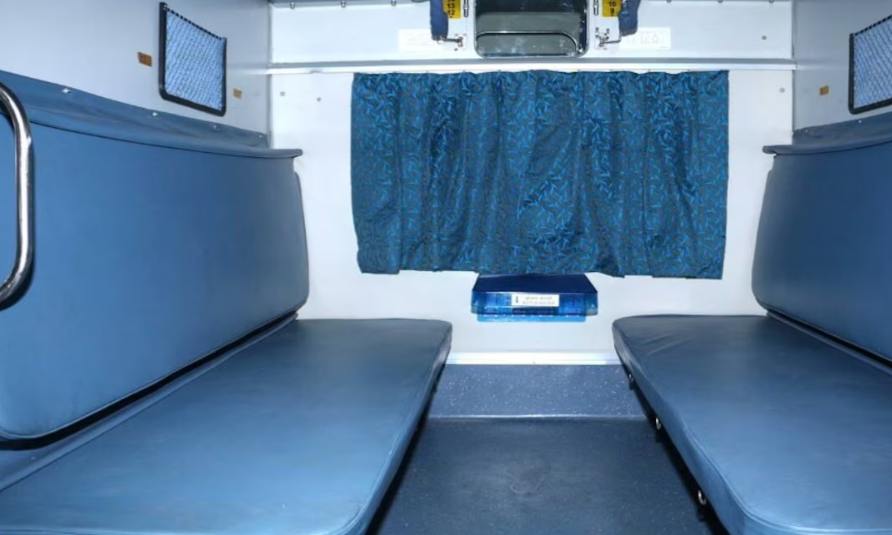
A recent train ticket issue started a big discussion online after a passenger claimed that an 82-year-old woman received an upper berth despite lower berths appearing to be available.
The complaint quickly spread across social media and many people questioned whether elderly passengers should get stronger priority while booking train tickets.
Soon after the discussion became popular, Indian Railways shared an explanation about how berth allocation works.
How The Issue Started
Booked ticket for 82 year old lady and @IRCTCofficial allotted upper berth (even though there were many seats available). Now the same lower berths will be sold at high rates in premium tatkal 👏
Also well done in removing senior citizen quota @AshwiniVaishnaw
— babu bisleri (@baabuOP) February 28, 2026
The discussion started when a passenger shared his concern online.
According to him, a train ticket booked for an elderly woman resulted in an upper berth allocation.
The passenger believed lower berths should receive more priority for senior citizens and questioned why this did not happen.
He also raised concerns about berth availability and premium booking options.
The post received attention from thousands of users.
Why Upper Berth Allocation Became A Talking Point
Sir, In the computerized reservation system of Indian Railways, there is a provision for allotting lower berth automatically to senior citizens and female passengers above the age of 45 years., even if no choice is given. It is, however, subject to availability of such lower…
— IRCTC (@IRCTCofficial) February 28, 2026
Many people online felt that upper berths can become difficult for elderly passengers.
Physical Comfort Matters
Senior citizens may find it difficult to climb upper berths.
Long journeys become more comfortable with easier access.
Expectation Of Priority
People generally expect elderly passengers to automatically receive lower berths.
When that does not happen, questions naturally arise.
Indian Railways Responded To The Complaint
Indian Railways explained that ticket allocation happens through a computerized reservation system.
According to the explanation:
- The system attempts to provide lower berths to senior citizens and eligible passengers.
- Final berth allocation depends on availability at booking time.
- Ticket booking follows a first-come, first-served process.
- Passenger preference is considered only when seats remain available.
The response clarified that lower berth allocation cannot always be guaranteed.
Important Option Many Passengers Do Not Notice
Many travellers may not know that there is an option during online booking to proceed only if a lower berth becomes available.
Lower Berth Preference Option
Passengers can select berth preferences while booking.
If selected properly, booking proceeds only under certain conditions.
This feature may help elderly travellers during planning.
Public Reaction Was Divided
The discussion created mixed reactions online.
People Supporting Better Priority
Some users argued that elderly passengers should receive stronger reservation priority.
They suggested dedicated protection for senior travellers.
People Supporting Existing Rules
Others said the reservation system already follows structured rules and availability limits.
Many users pointed out that booking timing also affects berth allocation.
What This Incident Shows About Train Travel
This discussion highlights a larger issue.
Technology helps manage millions of reservations daily, but passengers still expect human comfort to remain important.
Train travel is not only about ticket allocation — comfort, accessibility, and convenience also matter.
Finding the balance remains an ongoing challenge.
Tips For Booking Tickets For Senior Citizens
Book Early
Earlier booking usually increases berth options.
Select Berth Preferences
Always review booking preferences before payment.
Check Alternative Classes
Some classes may offer better seat availability.
Monitor Availability
Small timing differences can affect berth allocation.
Conclusion
The upper berth issue involving an 82-year-old woman started an important conversation about comfort during train travel.
Indian Railways clarified that lower berths are considered for senior citizens but depend on availability and booking order.
The incident reminded travellers to use available booking preferences and also opened discussion about making travel more comfortable for elderly passengers.
FAQs
Do senior citizens automatically receive lower berths?
The system tries to allot them, but availability plays an important role.
Can passengers select lower berth preference?
Yes, online booking includes berth preference options.
Why was the elderly passenger given an upper berth?
Because final allocation depends on available seats during booking.
Does booking early improve berth chances?
Yes, early booking generally provides more options.
Can Indian Railways guarantee lower berths?
No, because reservations follow availability and booking rules.