
Artificial Intelligence is changing the world rapidly, but along with its benefits, concerns about misuse are also growing quickly. One of the biggest fears linked to AI today is the rise of deepfake content — fake photos, videos, or audio clips that look extremely real.
A recent controversy involving Giorgia Meloni has once again raised global concerns about how AI technology can be misused online.
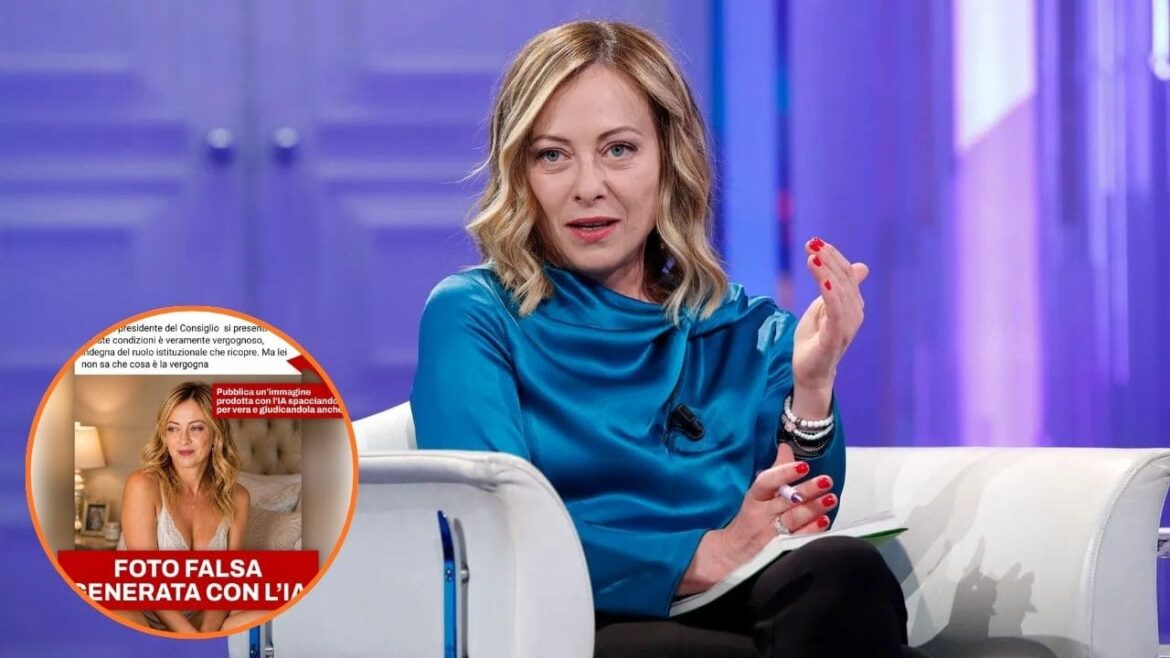
An AI-generated image falsely showing the Italian Prime Minister in lingerie recently went viral across social media platforms. After the image spread online, Meloni publicly reacted and warned people about the dangers of blindly believing and sharing manipulated content.
What Happened In The Viral AI Image Controversy
The controversy began after fake AI-generated pictures of Giorgia Meloni started circulating online. The manipulated images were reportedly shared by users pretending they were real photographs. As the visuals spread rapidly on social media, discussions around deepfake misuse and online misinformation intensified once again.
Girano in questi giorni diverse mie foto false, generate con l’intelligenza artificiale e spacciate per vere da qualche solerte oppositore.
Devo riconoscere che chi le ha realizzate, almeno nel caso in allegato, mi ha anche migliorata parecchio. Ma resta il fatto che, pur di… pic.twitter.com/or44qru2qj
— Giorgia Meloni (@GiorgiaMeloni) May 5, 2026
The incident quickly attracted international attention because it involved a world leader and highlighted how realistic AI-generated content has become.
Giorgia Meloni Responds Publicly
After the images gained attention online, Giorgia Meloni addressed the controversy through a social media post.
She stated that several fake AI-generated images of her were being circulated online and presented as real by people trying to spread false narratives.
At the same time, Meloni used a touch of humor while responding to the incident. However, she also made it clear that the issue goes beyond personal attacks.
She warned that deepfake technology can deceive people easily and may become dangerous if used irresponsibly.
Italian PM Warns About Deepfake Dangers
While reacting to the incident, Meloni urged people to verify online content before sharing it.
According to her, fake AI-generated material can manipulate public opinion and harm innocent people.
She also pointed out that public figures may have resources to defend themselves, but ordinary individuals may struggle to fight against such misinformation once it spreads online.
Her warning started a larger discussion globally about the growing misuse of artificial intelligence in cybercrime, political propaganda, scams, and online harassment.
Why Deepfakes Are Becoming A Big Concern
Deepfake technology uses artificial intelligence to create fake but highly realistic visuals and voices.
Experts say the technology is advancing so quickly that it is becoming harder for ordinary users to identify what is real and what is fake.
Deepfakes are now being used for:
- Fake celebrity videos
- Online scams
- Political misinformation
- Financial fraud
- Cyber harassment
- Social media manipulation
Because of this, governments and tech experts around the world are discussing stronger rules and detection systems for AI-generated content.
Social Media Users React To The Incident
After Meloni’s response went viral, many social media users supported her concerns regarding AI misuse.
Several users agreed that people should verify information before forwarding viral posts online.
Others said the incident proves how dangerous unchecked AI content can become in the future, especially during elections, political campaigns, or public controversies.
The case also reignited debates about whether social media platforms should take stricter action against deepfake content.
AI Technology Has Both Benefits And Risks
Artificial intelligence is helping industries improve healthcare, education, communication, business operations, and research.
However, experts repeatedly warn that every powerful technology also carries risks if used irresponsibly.
Many cybercrime cases today involve AI-generated scams, cloned voices, fake images, and impersonation techniques that can mislead people easily.
This is why digital awareness and online verification are becoming more important than ever.
Conclusion
The viral AI-generated image controversy involving Italian Prime Minister Giorgia Meloni has once again highlighted the growing dangers of deepfake technology. While Meloni handled the situation calmly and warned people against blindly trusting online content, the incident has started serious discussions about AI misuse worldwide.
As artificial intelligence continues to evolve rapidly, experts believe society must focus equally on responsible use, stronger regulations, and public awareness. In the digital age, verifying information before sharing may become one of the most important habits for internet users everywhere.
FAQs
Who is Giorgia Meloni?
Giorgia Meloni is the Prime Minister of Italy.
Why did Giorgia Meloni react online?
She reacted after fake AI-generated images of her went viral on social media platforms.
What are deepfakes?
Deepfakes are AI-generated fake photos, videos, or audio clips that appear realistic but are not real.
Why are deepfakes considered dangerous?
They can spread misinformation, manipulate public opinion, damage reputations, and be used in scams or cybercrimes.