
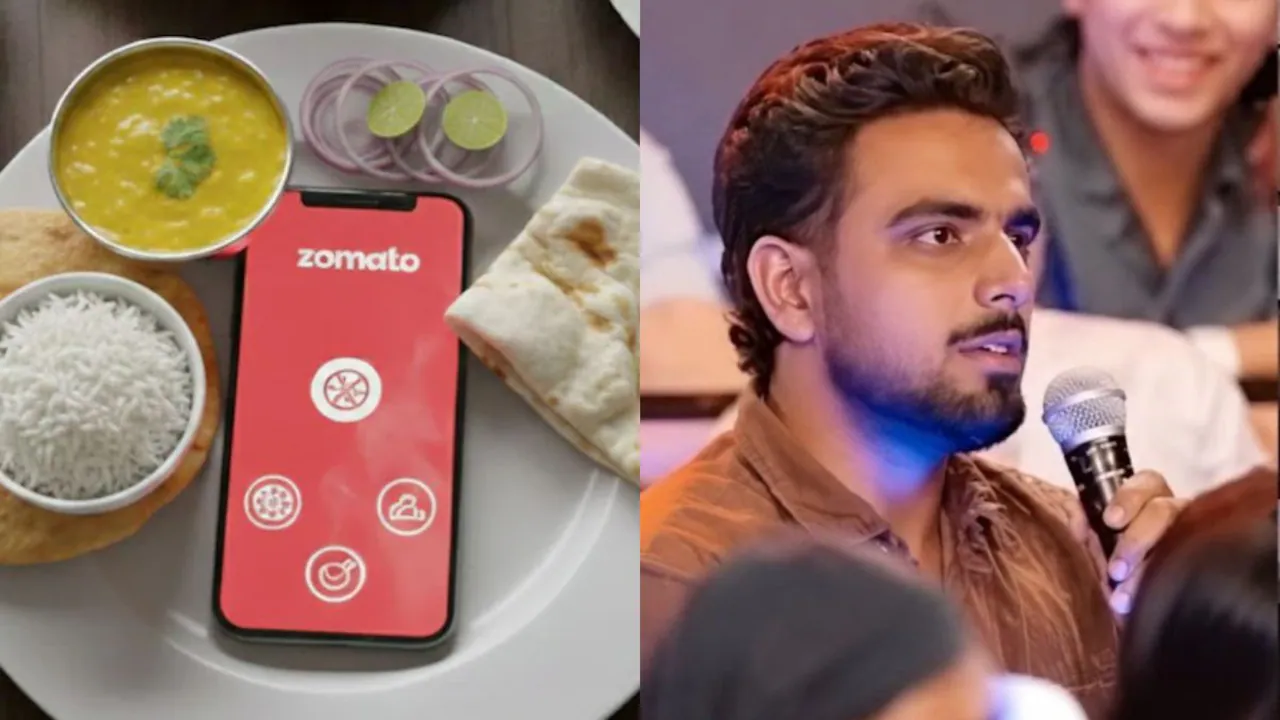
Social media often turns screenshots into instant headlines. But recently, a viral notification linked to a food delivery platform created controversy before the truth came out. A screenshot claiming to show a promotional message connected to the ongoing “Rs 370 biryani” discussion spread rapidly online and triggered strong reactions.
Soon after the image gained attention, the company involved stepped forward and denied creating or sending any such message.
What Was The Viral Notification About?
A screenshot began circulating online showing a message that appeared to make light of a recent internet controversy related to dating expectations and spending money on food.
“Biryani Is Dinner, Not Consent”: Zomato Calls Viral ‘Rs 370 Ki Biryani’ Notification Fakehttps://t.co/ugwboe9Pk1#zomato #biryani #viral pic.twitter.com/qNM9j0zkOJ
— NDTV Food (@NDTVFood) June 11, 2026
Because the message looked similar to regular promotional notifications, many users initially believed it was real.
The screenshot quickly spread across different platforms and people started criticising the company for crossing the line between humour and sensitivity.
Zomato Issues Public Clarification
After the screenshot became widely discussed, Zomato released an official clarification.
The company clearly stated that the notification was fake and did not originate from them.
The brand also explained that food should never be linked to expectations of personal attention, emotional obligation, or consent.
Their response received support from many social media users who appreciated the company for responding quickly instead of staying silent.
How The Rs 370 Biryani Debate Started
The larger discussion started after a stand-up comedy clip became viral online.
In the conversation shown in the clip, comments were made suggesting that spending money during a date creates expectations in return.
Many people strongly criticised this thinking and pointed out that kindness, gifts, meals, or spending money never create entitlement.
As the discussion grew online, several creators and users joined the conversation.
Why Consent Cannot Be Connected To Spending
Dinner Is A Choice, Not A Transaction
Relationships and social interactions work through mutual respect.
Buying food, gifts, or paying bills does not create obligations.
Experts and online commentators often highlight that consent must always remain independent and freely given.
Social Media Trends Can Spread Fast
This incident also shows another growing problem—fake screenshots.
Today, edited content can travel faster than official statements.
People often react emotionally before checking whether information is real.
What This Means For Brands And Users
For companies, viral moments create pressure to respond quickly.
For users, this incident reminds everyone to verify content before sharing.
Brands may use humour in marketing, but people also expect responsibility and sensitivity.
At the same time, consumers should avoid assuming every viral screenshot is authentic.
Public Reaction Online
Online reactions remained mixed.
Some users appreciated the clarification.
Others said brands should stay away from sensitive debates completely.
Many people also pointed out that fake edits can damage reputations if left unanswered.
Overall, the conversation became larger than food delivery and turned into a discussion about responsibility, digital culture, and respectful behaviour.
Conclusion
The viral “Rs 370 biryani” notification became an example of how quickly online content can influence public opinion. Zomato denied creating the message and clarified its position. The bigger lesson from this moment is simple—food is hospitality, not expectation, and viral screenshots should always be verified before being treated as facts.
FAQs
Was the viral notification real?
No. The company publicly clarified that the screenshot was fake and not sent through its platform.
Why did the screenshot become controversial?
People believed it referenced an ongoing online discussion in a way many considered insensitive.
What was the larger debate about?
The discussion focused on whether spending money during dates creates expectations, which many people strongly disagreed with.
Why do fake screenshots spread so quickly?
Social media allows edited images to move rapidly before verification happens.
What lesson does this incident teach?
Always confirm information from official sources before sharing or reacting online