
In recent years, India’s work culture has been changing rapidly. More people are exploring flexible careers instead of following the traditional office routine. A recent story shared online has once again started a discussion about whether regular jobs are still the only safe career option.
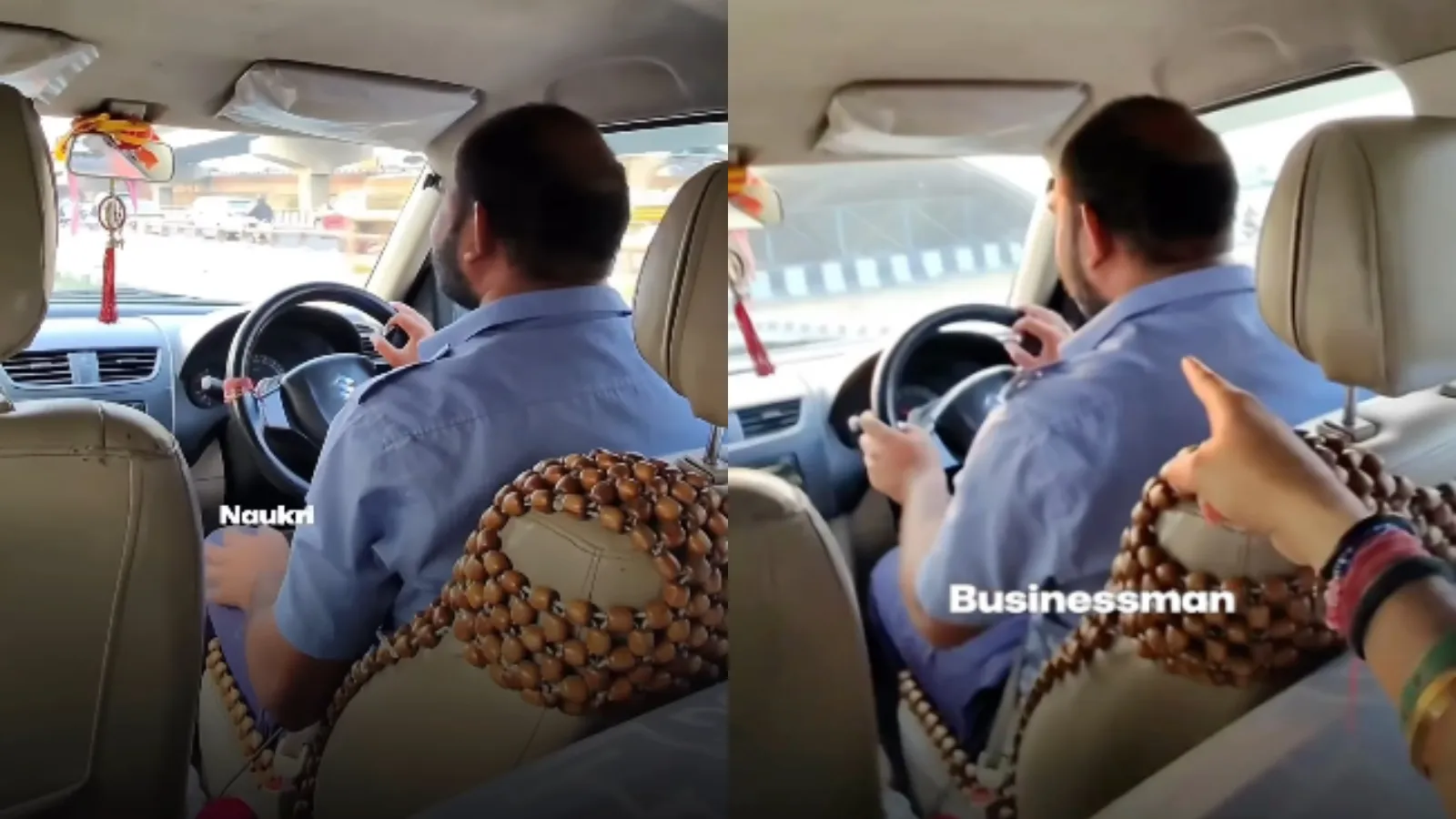
A startup founder shared his conversation with a cab driver whose journey surprised many people. According to the driver, leaving his office job became one of the biggest decisions of his life.
A Simple Cab Ride That Started A Big Discussion
During a ride, the founder started talking casually with the driver about work and daily life.
During the conversation, the driver revealed that he previously worked in a regular office job and earned around Rs 25,000 per month.
When asked whether he still continued that work, the driver smiled and said he had completely moved on.
His answer became interesting when he shared how his life changed after becoming a full-time cab driver.
From Fixed Salary To Flexible Income
According to the driver, he now earns close to Rs 1 lakh every month.
But for him, the money was not the only reason.
He explained that he enjoys deciding his own schedule. Some days he works more. Some days he rests. This flexibility made him feel more independent than before.
He said that unlike office jobs, he does not have to wait for weekends to manage personal life.
Why More Indians Are Exploring Gig Work
This story reflects a larger trend in India.
Many professionals are trying gig-based work such as:
- Cab driving
- Food delivery
- Freelancing
- Online services
- Content creation
- Consulting
People are attracted by flexible timing and the possibility of earning more.
Technology platforms have made it easier to start such work without large investments.
Higher Income Does Not Always Mean Easy Work
At the same time, experts believe such success stories should be understood carefully.
Earning more often requires:
Long Working Hours
Some drivers work for many hours daily to maintain higher earnings.
Vehicle Costs
Fuel, maintenance, insurance, and repairs reduce actual profit.
No Fixed Benefits
Traditional jobs often provide insurance, paid leave, and retirement support.
Because of this, gig work may not suit everyone.
Startup Founder’s Message Changed The Conversation
Impressed by the driver’s confidence, the founder encouraged him to think differently.
Instead of seeing himself as just a driver, he suggested that he should consider himself a business owner managing his own work.
That idea received attention online because many people believe today’s careers are becoming more independent and skill-based.
What This Story Says About Modern Careers
The story shows that career success no longer follows only one path.
Earlier, office jobs were considered the safest choice. Today, many people value:
- Freedom
- Flexibility
- Higher earning opportunities
- Control over time
At the same time, career choices should depend on individual goals and financial planning.
Conclusion
The story of a cab driver earning more after leaving his office job has created an interesting debate across social media. It highlights how work preferences are changing in India.
However, every career comes with benefits and challenges. While gig work may offer freedom and better income for some people, traditional jobs still provide stability for many others.
The real lesson is not about quitting jobs—it is about choosing a career that matches your priorities and long-term goals.
FAQs
Can cab drivers really earn Rs 1 lakh per month?
Some drivers may achieve high earnings depending on location, working hours, demand, and expenses.
Why are people leaving traditional jobs?
Many people seek flexibility, independence, and opportunities to increase income.
Is gig work more profitable than office jobs?
It depends on the individual’s skills, effort, expenses, and lifestyle.
What are the risks of gig work?
Income fluctuations, lack of benefits, and operating costs are common challenges.
Should everyone switch to gig work?
No. Career choices should depend on personal goals, financial stability, and work preferences.