
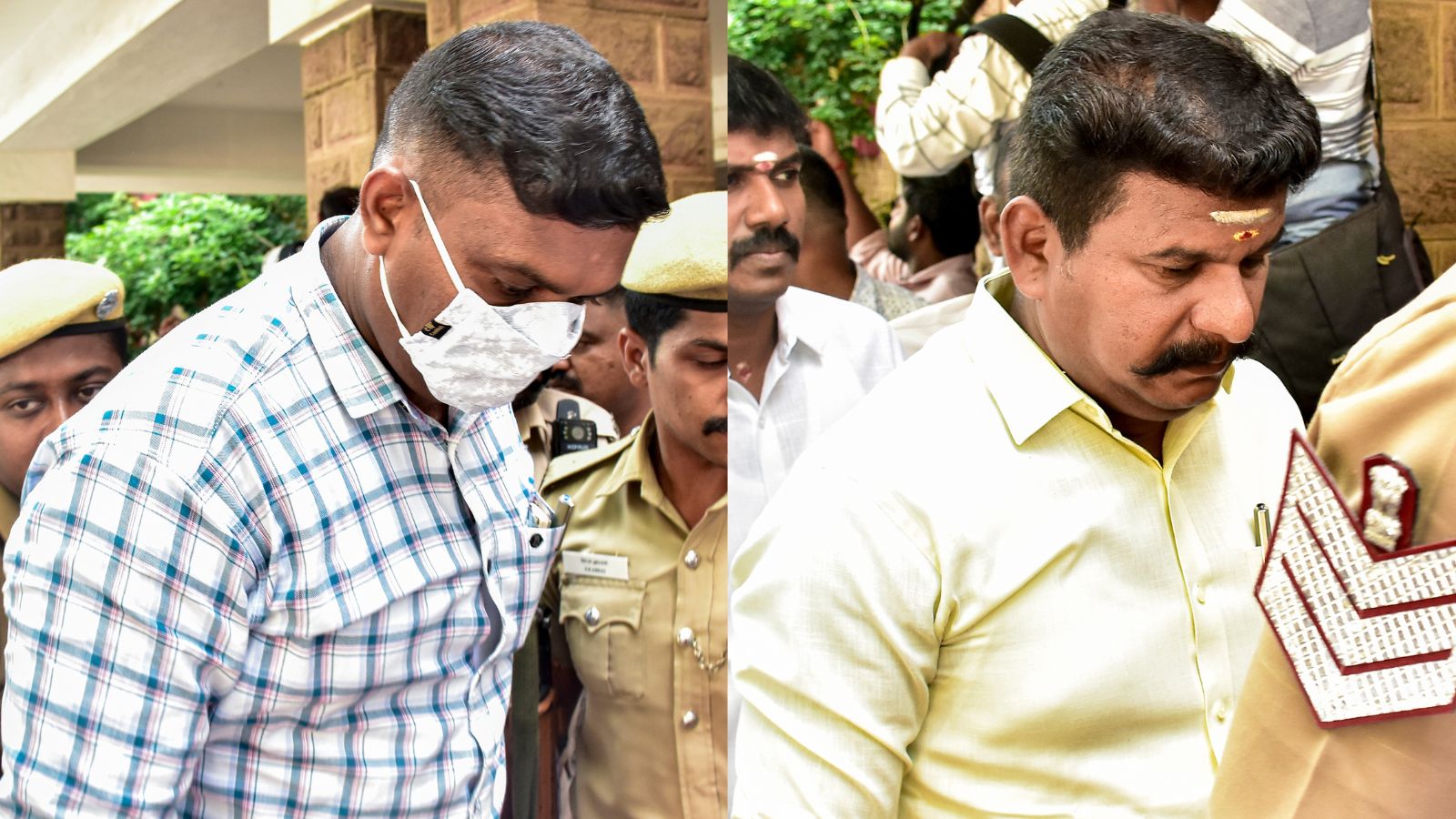
In a major and historic judgment, a court in Madurai has sentenced nine police personnel to death for their role in the custodial deaths of a father and son in Tamil Nadu. The case shocked the nation in 2020 and raised serious questions about police brutality and human rights in India.
The victims, P. Jayaraj and his son J. Bennix, died after allegedly being tortured by police officers in custody. The incident happened in the town of Sathankulam in the district of Thoothukudi, located in Tamil Nadu.
The verdict has once again started a nationwide discussion about custodial violence and the accountability of law enforcement authorities.
What Happened in the 2020 Sathankulam Case
The incident dates back to June 2020 during the COVID-19 lockdown in India.
According to investigation reports, police officials from the local station detained Jayaraj for allegedly keeping his mobile accessories shop open beyond the allowed time under pandemic restrictions.
When his son Bennix went to the police station to ask why his father was arrested, he was also taken into custody after a heated argument with the officers.
Both men were allegedly beaten severely inside the police station during the night of June 19 and June 20. The injuries they suffered later led to their deaths.
Bennix died on June 22, and his father Jayaraj passed away a day later.
The incident caused widespread anger across the country, with people demanding justice for the victims.
CBI Investigation and Court Trial
Following public protests and media attention, the case was transferred to the Central Bureau of Investigation for a fair investigation.
The agency filed a chargesheet against several police officers within three months of taking over the case.
During the trial, more than 100 witnesses were examined and multiple pieces of evidence were presented before the court. The case continued for several years before the final judgment was delivered.
Who Are the Nine Convicted Police Officers
The court found nine police officials guilty of the crime. They include an inspector, sub-inspectors, head constables, and constables who were posted at the Sathankulam police station during the incident.
These officers were held responsible for the brutal assault that led to the deaths of the father and son.
One of the accused officers died during the trial due to health issues, leaving nine individuals to face the final verdict.
Why the Court Called It a ‘Rarest of Rare’ Case
The judge described the crime as extremely serious and categorized it under the “rarest of rare” category.
The court observed that police officers are meant to protect citizens. When the same authorities misuse their power and cause death in custody, it damages public trust in the justice system.
Because of the brutal nature of the incident and the loss of two lives from the same family, the court decided to impose the maximum punishment.
Along with the death sentence, the court ordered the convicted officers to pay a compensation of ₹1.4 crore to the victims’ family.
Can the Convicted Police Officers Appeal the Verdict
Yes, under Indian law, the convicted officers have several legal options available.
A death sentence given by a trial court cannot be carried out immediately. It must first be confirmed by the Madras High Court.
The High Court will review all the evidence and the trial proceedings before deciding whether to confirm or change the punishment.
If the High Court supports the death penalty, the convicts can approach the Supreme Court of India to challenge the decision.
They can also file review and curative petitions after the Supreme Court verdict.
Mercy Petitions and Final Legal Options
Even after exhausting all judicial options, the convicted individuals still have the right to request mercy.
They can submit mercy petitions to the Governor of Tamil Nadu under constitutional provisions. They can also request clemency from the President of India.
These steps are part of the final legal process before a death sentence can be implemented.
Legal Provisions Related to Custodial Death
In India, custodial torture leading to death can be treated as murder under criminal law.
Police officers involved in such cases can be charged under murder provisions, which allow courts to impose life imprisonment or the death penalty depending on the severity of the crime.
Apart from murder charges, there are also legal provisions that punish police officers for causing physical harm or illegal detention of suspects.
These laws exist to ensure that people in custody are protected from abuse.
Safeguards to Prevent Custodial Violence
Indian law also includes several safeguards to prevent abuse in police custody.
Courts have issued guidelines to ensure that arrested individuals are treated fairly. These include mandatory medical examinations, informing family members about arrests, and keeping proper records during detention.
Judicial inquiries are also required whenever a person dies in police custody. These procedures are meant to ensure transparency and accountability.
Conclusion
The Sathankulam custodial death case remains one of the most disturbing incidents of police brutality in recent years. The court’s decision to award the death penalty to nine police officers sends a strong message that misuse of power by authorities will not be tolerated.
However, the legal process is not yet over. The case will now move to higher courts for review and appeals. Regardless of the final outcome, the judgment highlights the importance of protecting human rights and maintaining accountability within law enforcement agencies.
FAQs
What was the Sathankulam custodial death case?
It was a 2020 incident in which a father and son died after allegedly being tortured by police officers in custody in Sathankulam, Tamil Nadu.
Why were the police officers given the death penalty?
The court considered the crime extremely brutal and classified it as a “rarest of rare” case because two innocent people died due to custodial violence.