
Food delivery apps have changed the way people eat in cities across India. Ordering food online is quick, easy, and convenient. Platforms like Zomato have become a daily habit for many working professionals, students, and families. However, along with convenience, customers are now noticing rising extra charges that increase the final bill.
Recently, a Zomato customer raised questions about high packaging charges, which sparked discussion on social media. The issue once again highlighted how small additional fees can make online food orders feel expensive.
Customer Raises Question Over Packaging Charges
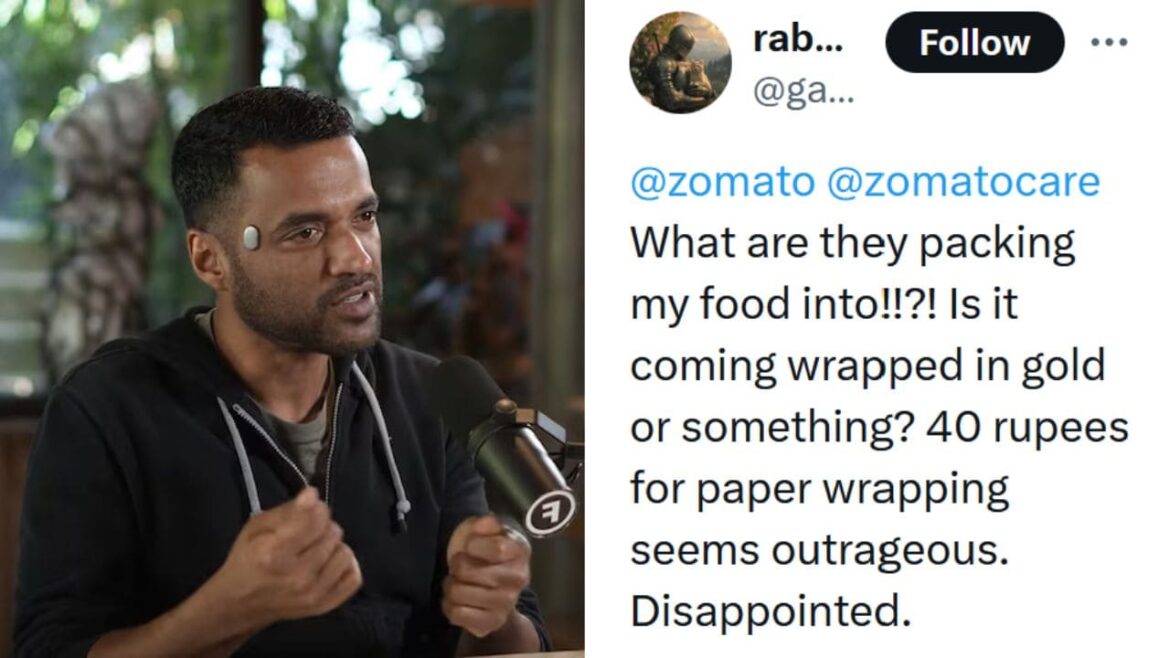
The matter came to light after a customer shared his experience on social media platform X (formerly Twitter). The user posted a screenshot of his food bill and tagged Zomato and Zomato Care, questioning the logic behind the packaging fee.
According to the post, the food items ordered were priced at Rs 239, but the customer was charged Rs 37 as restaurant packaging fees. After adding delivery charges, platform fees, and GST, the total bill went beyond Rs 300.
The customer felt the packaging charge was unusually high for a small food order and questioned whether paper packaging should cost so much.
Social Media Reaction Highlights Customer Frustration
Though the post did not explode into a massive viral debate, it clearly reflected a growing concern among online food delivery users. Many customers feel that while food prices may appear affordable on the menu, the final bill often comes as a surprise.
People on social media often complain that platform fees, delivery charges, packaging costs, and taxes together make online food much costlier than expected. This incident added to that ongoing discussion.
Zomato Issues Clarification On Packaging Fees
Zomato Care responded to the customer’s query and clarified their stand on the issue. According to Zomato, packaging charges are decided entirely by restaurant partners, not by the platform itself.
Zomato also mentioned that they would raise the concern with the restaurant involved and asked the customer to share restaurant details through direct message.
The platform maintained that it does not control or fix packaging prices and only displays charges shared by restaurants.
Customer Remains Unsatisfied With Explanation
Despite Zomato’s response, the customer was not fully convinced. In a follow-up comment, he pointed out that while individual charges may seem small, their combined effect makes food orders expensive.
He also highlighted that Zomato often offers discounts on items that cannot be used with coupons, pushing customers to add more items to their cart. This, according to him, makes pricing feel less transparent.
Such concerns are not new and are frequently discussed by regular users of food delivery apps.
Why Packaging Charges Are Increasing
In recent years, restaurants have started charging separately for packaging due to multiple reasons. Eco-friendly containers, spill-proof boxes, hygiene standards, and delivery-safe packaging all increase costs for restaurants.
Many eateries argue that quality packaging is necessary to ensure food reaches customers safely and in good condition. However, customers often feel that these costs should already be included in food prices instead of being added separately.
Are Food Delivery Bills Becoming Too Expensive?
Individually, fees like platform charges, delivery partner fees, GST, and packaging costs may not seem very high. But when added together, they significantly raise the final bill.
For cost-conscious customers, especially those who order frequently, these extra charges can be frustrating. Many users now compare online food prices with dining in or direct takeaway, noticing a clear difference.
Transparency Vs Customer Satisfaction
Zomato’s main argument is transparency. The company clearly displays all charges before checkout, giving customers a choice to proceed or cancel the order.
However, many users believe transparency alone is not enough. They expect platforms to ensure fair pricing and avoid unnecessary costs that reduce trust.
This balance between business operations and customer satisfaction remains a challenge for food delivery apps.
What This Means For Customers Going Forward
This incident shows that customers are becoming more aware and vocal about pricing issues. As competition increases in the food delivery market, platforms may need to rethink how charges are structured and communicated.
Clear explanations, reasonable pricing, and better coordination with restaurant partners could help maintain user trust.
Conclusion
The debate around Zomato’s packaging charges highlights a larger issue faced by online food delivery platforms. While convenience remains a big advantage, rising additional fees are making customers question value for money.
Zomato’s clarification that restaurants decide packaging charges is valid, but customer dissatisfaction shows that pricing transparency alone may not be enough. As more users speak up, platforms and restaurants may need to work together to create fairer and more customer-friendly pricing models.
FAQs
What was the issue raised by the Zomato customer?
The customer questioned why he was charged around Rs 37 for packaging on a small food order and felt the cost was too high.
Who decides packaging charges on Zomato orders?
According to Zomato, packaging charges are decided by restaurant partners, not by the platform.
Did Zomato accept fault in this case?
No, Zomato clarified that it only displays charges set by restaurants and does not control packaging pricing.
Why are packaging charges increasing?
Better quality containers, hygiene standards, and eco-friendly packaging have increased costs for restaurants.
Can customers avoid packaging charges?
Packaging charges usually cannot be avoided on online orders, but customers can review charges before checkout and decide accordingly.