
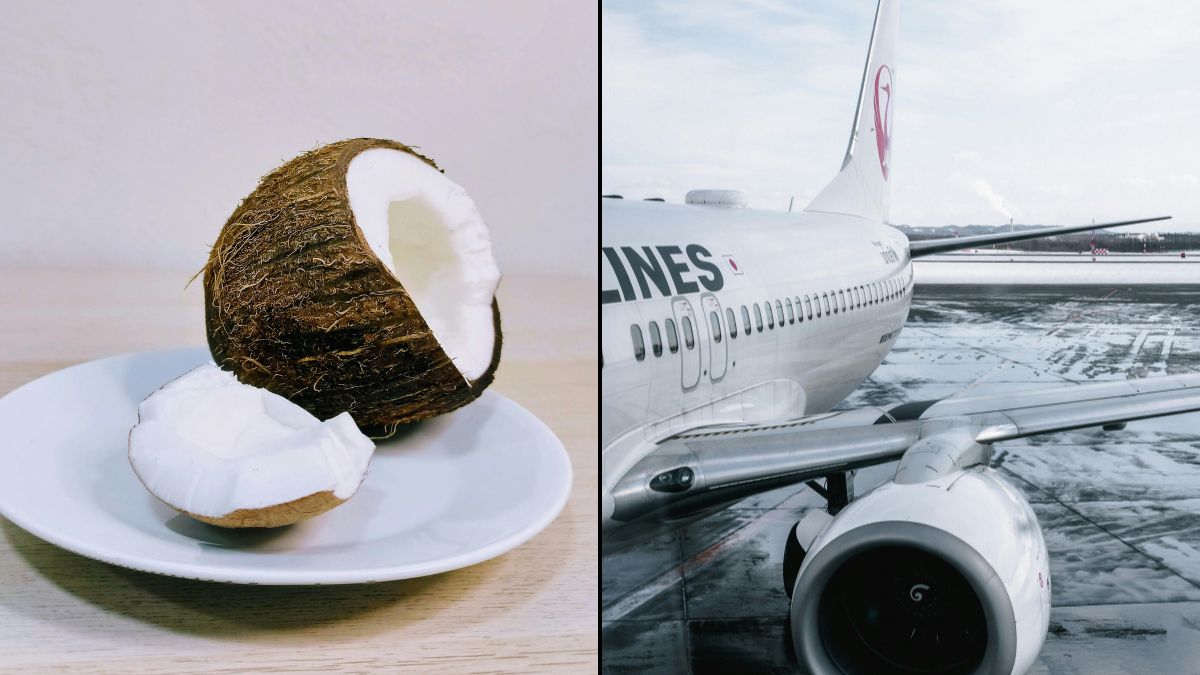
Air travel comes with many safety rules, and some of them surprise passengers. One such lesser-known rule is the strict restriction on carrying dried coconuts, also known as copra, on flights. Many travelers, especially in India, are confused when airport staff stop them from carrying dried coconuts in luggage.
This rule may sound odd, but it is based on serious safety concerns. Here is a clear and simple explanation of why dried coconuts are banned on flights and what passengers should know.
What Are Dried Coconuts (Copra)?
Dried coconuts are coconuts from which most of the moisture has been removed. They are commonly used for religious purposes, cooking, oil extraction, and traditional remedies. Because of their long shelf life, people often try to carry them while travelling.
However, what makes dried coconuts useful on the ground also makes them risky in the air.
Main Reason Behind the Ban: Fire Hazard
The biggest reason dried coconuts are prohibited on flights is fire risk.
Dried coconuts contain a high amount of coconut oil. This oil is highly flammable, especially when the coconuts are stored in bulk. Under certain conditions, copra can heat up on its own and catch fire without any external flame. This process is called spontaneous combustion.
In an aircraft, even a small fire can be extremely dangerous.
Why Aircraft Conditions Increase the Risk
Aircraft cargo holds are not like normal storage rooms. Certain conditions inside a plane make dried coconuts more risky:
-
Low air pressure at high altitude can change the behaviour of organic materials
-
Heat buildup in packed cargo can speed up self-heating
-
Limited ventilation can trap heat and increase ignition chances
Because planes travel at high speeds and heights, controlling a fire mid-air is very difficult. Aviation authorities prefer to prevent such risks completely rather than manage them later.
Past Incidents That Raised Alarm
Dried coconuts have caused fires during transportation in the past, especially during sea cargo shipments. These incidents pushed safety agencies to study copra closely.
Based on these findings, international aviation safety bodies classified dried coconuts as hazardous goods. This classification led to strict rules across airlines worldwide.
Airline and Airport Regulations Explained
Because of the safety risk, most airlines follow strict rules regarding dried coconuts:
- Dried coconuts are not allowed in checked baggage
- They are not allowed in cabin baggage
- They are banned from air cargo in most cases
- Even small quantities may be confiscated at security checks
Airport authorities in India and abroad follow these rules strictly, especially on international flights.
Fresh Coconut vs Dried Coconut: Know the Difference
Many passengers get confused between fresh and dried coconuts. The rules are different for both.
Fresh Coconuts
- Contain water and moisture
- Lower fire risk compared to dried coconuts
- Sometimes allowed on domestic flights
- May still be restricted due to agriculture and biosecurity laws
Dried Coconuts
- High oil content
- High fire risk
- Almost always banned on flights
- Treated as dangerous goods
- Even fresh coconuts can be restricted when travelling internationally to prevent the spread of pests or plant diseases.
Why Passengers Are Often Unaware
Many travelers, especially those flying for religious or family reasons, are unaware of this rule. Dried coconuts are commonly used in temples and rituals, so people assume they are harmless.
However, aviation safety rules are designed for worst-case scenarios. What seems harmless on the ground can become dangerous in the air.
What Happens If You Carry Dried Coconut to the Airport?
If airport security finds dried coconuts in your luggage:
- The item will usually be confiscated
- You may be asked to discard it
- In rare cases, delays can happen during security checks
Passengers are generally not fined, but the inconvenience can be stressful, especially before boarding.
What Should Travelers Do Instead?
- Avoid carrying dried coconuts while flying
- If needed for religious reasons, buy them at your destination
- Always check airline baggage rules before packing
- When in doubt, ask airline staff in advance
Being informed can save time and avoid last-minute trouble at the airport.
FAQs
Are dried coconuts banned on all flights?
Yes, most airlines ban dried coconuts on both domestic and international flights due to fire safety risks.
Can I carry a small piece of dried coconut?
Even small quantities are usually not allowed, as airlines apply a zero-risk policy.
Are fresh coconuts allowed on flights?
Sometimes yes, mainly on domestic flights, but rules vary by airline and country.
Why is coconut oil dangerous on flights?
Coconut oil is flammable and can self-heat, increasing the risk of fire in cargo holds.
Is this rule applicable only in India?
No, this is an international aviation safety rule followed by many countries.
Conclusion
The ban on dried coconuts on flights may sound surprising, but it exists for a very important reason—passenger safety. Due to their high oil content and risk of spontaneous combustion, dried coconuts pose a serious fire hazard in aircraft.
Airlines and aviation authorities follow a strict prevention-first approach, which is why such items are not allowed at all. For travelers, the best approach is simple: stay informed, pack carefully, and follow airline guidelines.