
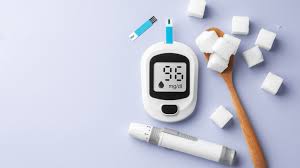
Diabetes is a serious health condition affecting millions of people across the world. Often, it develops quietly without obvious signs, making early detection difficult. Identifying symptoms early can prevent severe complications such as heart problems, kidney issues, nerve damage, and vision loss. Health experts recommend regular check-ups and awareness of warning signs to maintain good health.
Understanding Diabetes
Diabetes happens when the body cannot properly manage blood sugar (glucose), the main energy source for cells. There are two main types:
Type 1 Diabetes
This is an autoimmune condition where the body attacks insulin-producing cells. People with Type 1 diabetes need insulin injections to survive.
Type 2 Diabetes
Type 2 develops when the body becomes resistant to insulin or does not produce enough. It is often linked to lifestyle, diet, and genetics.
Both types can cause high blood sugar, which can damage blood vessels, nerves, and organs over time if left untreated. Early detection is crucial to avoid long-term health issues.
The Silent Symptoms of Diabetes
Diabetes often shows subtle signs. Recognising them early and consulting a doctor can make a big difference. Some common symptoms include:
Frequent Urination
High blood sugar makes the kidneys work harder to remove extra glucose. This leads to more frequent urination and dehydration.
Excessive Thirst
Losing fluids through frequent urination triggers persistent thirst as the body tries to stay hydrated.
Unexplained Weight Loss
Even with normal or increased food intake, some people lose weight because the body burns fat and muscle for energy.
Extreme Hunger
Cells cannot access glucose, causing the body to feel constantly hungry.
Fatigue
Low energy in cells and dehydration from frequent urination can make a person feel tired all the time.
Blurred Vision
High blood sugar can swell the eye lens, making vision blurry. Long-term high sugar levels may lead to diabetic retinopathy.
Slow-Healing Wounds and Frequent Infections
Diabetes slows healing and weakens immunity, causing delayed recovery from cuts, infections, or sores.
Dark Patches on Skin
Insulin resistance may cause dark, thick skin patches, usually on the neck, armpits, or groin.
Numbness or Tingling in Hands or Feet
High blood sugar can damage nerves, especially in the extremities, causing tingling or numbness.
Mood Changes
Fluctuating blood sugar levels can affect mood, causing irritability, anxiety, or low spirits.
Risk Factors for Diabetes
Certain conditions make diabetes more likely. People with these should stay alert:
- Age above 45 years
- Family history of diabetes
- Overweight, especially around the waist
- Sedentary lifestyle
- High blood pressure or cholesterol
- Unhealthy diet with too much sugar
- History of gestational diabetes in women
Early screening and risk assessment can help detect diabetes before severe symptoms appear.
The Importance of Early Detection
Early diagnosis of diabetes allows people to control the disease with diet, exercise, medication, and regular monitoring. Detecting it early reduces the risk of:
- Heart disease
- Kidney damage
- Nerve problems
- Vision loss
Screening tests like fasting blood sugar, HbA1c, and routine check-ups are very helpful. Doctors can provide personalised guidance for long-term health.
What to Do If You Notice the Signs
If you experience any warning signs, take action immediately:
✅ Visit a doctor or health centre for a check-up
🩸 Get blood sugar tests done (fasting glucose or HbA1c)
🔍 Keep track of recurring symptoms
🍎 Start healthy lifestyle changes early
⚠️ Never ignore warning signs or delay assessment
Looking Ahead
Diabetes may develop quietly, but early recognition gives you control over your health. Symptoms like unusual thirst, tiredness, sudden weight loss, blurred vision, or tingling sensations in hands and feet should never be ignored.
With timely diagnosis and proper management, you can prevent serious complications. Health centres with expert screenings and personalised advice can help you live a healthier life.
FAQs
What is the first sign of diabetes?
Frequent urination and excessive thirst are often the earliest signs.
Can lifestyle changes prevent Type 2 diabetes?
Yes, regular exercise, healthy diet, and weight management can prevent or delay Type 2 diabetes.
Is blurred vision a common diabetes symptom?
Yes, high blood sugar can affect the eye lens, causing temporary or permanent blurred vision.
Do all diabetics lose weight suddenly?
Not everyone, but unexplained weight loss can happen, especially in Type 1 diabetes.
How often should I get screened for diabetes?
Adults over 45, overweight individuals, or people with family history should screen every 1–3 years or as advised by a doctor.