
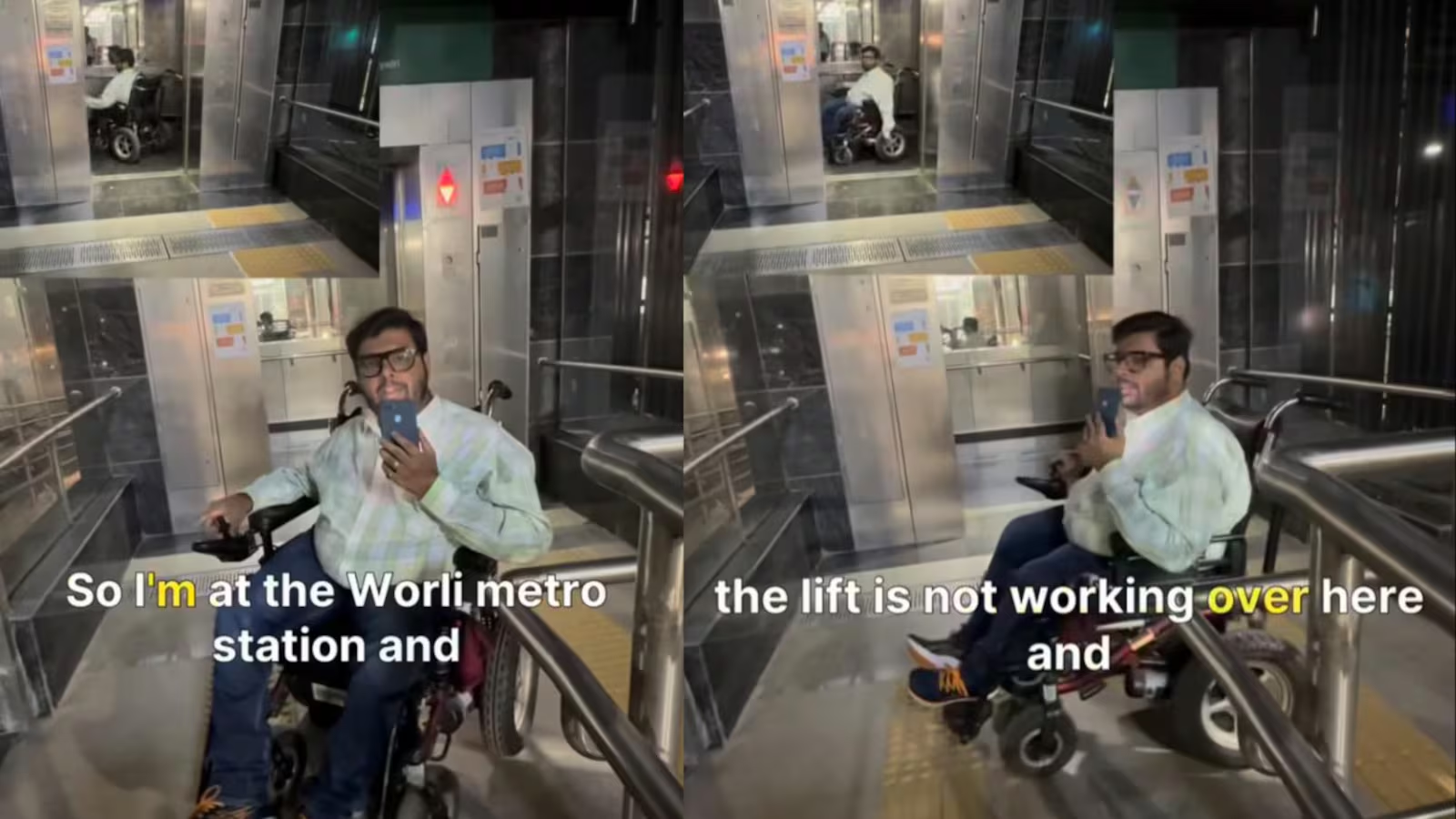
A late-night journey on the Mumbai Metro turned into a frightening experience for a wheelchair user when a broken lift and an unresponsive helpline left him stranded at Worli station. The incident has triggered strong public anger and raised serious questions about accessibility in India’s public transport system.
The issue came to light after Mumbai-based comedian Karn Shah shared a video on Instagram, calling it one of the most disturbing nights of his life.
Lift Failure Turns Travel Into a Nightmare
According to Karn Shah, the only lift at Worli Metro station was not working when he arrived. As a wheelchair user, he had no safe way to exit the station. He waited for over 45 minutes, hoping for help, but nothing changed.
What made the situation worse was the response he received. Instead of proper assistance, he was allegedly told to “walk home,” a suggestion that shocked viewers and highlighted a deep lack of sensitivity.
Busy Roads Made the Situation Dangerous
In his video, Shah showed the main road outside the station, filled with fast-moving vehicles. Crossing such a road in a wheelchair, especially late at night, is extremely unsafe.
The suggestion to use this route showed how disconnected ground staff and systems can be from the real challenges faced by people with disabilities.
Helpline and Emergency Support Failed Completely
Shah also tried contacting the metro helpline for emergency assistance. However, he claimed the calls disconnected automatically after a few seconds. With no staff support, no working lift, and no accessible washroom nearby, he was left helpless.
This failure exposed how emergency systems, which are meant to support vulnerable passengers, often do not work when they are needed the most.
Netizens React With Anger and Shock
The video spread quickly on social media, with thousands of users expressing anger, sadness, and frustration. Many pointed out that accessibility in India often exists only on paper.
Several users questioned how modern metro stations can be built without ensuring basic maintenance of lifts and proper staff training. Others said the incident showed a lack of basic human empathy, not just technical failure.
Accessibility Is Not a Luxury, It Is a Right
Experts and disability rights activists have long said that accessibility should not be treated as an extra feature. For millions of Indians, lifts, ramps, working helplines, and trained staff are essential for daily life.
A single broken lift can take away independence, safety, and dignity from a person with disability. This incident once again proves that infrastructure is only useful if it works consistently.
Need for Accountability and Real Change
While metro projects are often praised as symbols of development, incidents like this show the gap between planning and real-life experience. Regular maintenance, emergency response checks, and staff training are equally important as building new stations.
Authorities must ensure that accessibility systems are reliable at all hours, not just during peak times or inspections.
Conclusion
The Mumbai Metro incident is not just about a broken lift. It is about a system that failed a citizen when he needed help the most. Being told to “walk home” while using a wheelchair reflects a serious lack of awareness and compassion.
If India truly wants inclusive development, accessibility must move beyond promises and become a dependable reality for everyone.
FAQs
Who shared the video about the Mumbai Metro incident?
The video was shared by Mumbai-based comedian Karn Shah on Instagram.
Where did the incident take place?
The incident happened at Worli Metro station in Mumbai.
What was the main problem faced by the wheelchair user?
The lift at the station was not working, and the emergency helpline did not respond.
Why did the video cause public outrage?
People were angry because the wheelchair user was reportedly told to “walk home,” showing lack of empathy and poor accessibility support.
What does this incident highlight?
It highlights serious gaps in accessibility, emergency response, and maintenance of public infrastructure in India.