
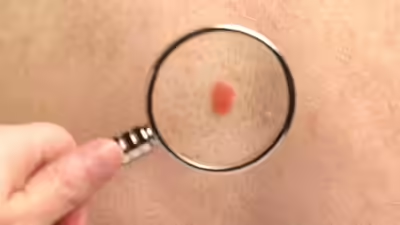
Skin cancer is becoming a growing health concern across India and the world. Doctors say many people miss early warning signs because they look harmless at first. A small mole, a dark patch, or a sore that does not heal is often ignored. But these small signs can turn serious if not checked on time. Early awareness and quick medical advice can save lives.
What Is Skin Cancer
Skin cancer happens when skin cells grow in an abnormal way. It usually starts due to long-term exposure to sunlight, but it can also appear in areas not exposed to the sun. Skin cancer can develop on the face, neck, arms, legs, scalp, nails, and even the soles of the feet.
Doctors mainly see three types of skin cancer. Basal cell cancer grows slowly and is common. Squamous cell cancer can spread if ignored. Melanoma is the most dangerous type, but it is highly treatable if found early.
Why Early Detection Is Very Important
Health experts say early detection makes treatment easier and more successful. In early stages, skin cancer can often be treated with simple procedures. If ignored, cancer can spread deeper into the skin and other organs, making treatment difficult and costly.
Your skin shows changes before the problem becomes serious. Noticing these changes early gives you control over your health.
New Moles or Spots on the Skin
Any new mole or spot that appears suddenly in adults should be taken seriously. New growths that look shiny, red, pink, or slightly raised should not be ignored. Doctors say most harmless moles appear during childhood, not later life.
Changes in an Old Mole
If an existing mole starts changing, it can be a warning sign. Watch for changes in shape, size, colour, or texture. Uneven borders, multiple colours, or rapid growth are signs that need medical attention.
A changing mole is more risky than a stable one.
Sores That Do Not Heal
A wound or scab that does not heal even after two or three weeks can be an early sign of skin cancer. Such sores may bleed, heal partially, and return again. Many people mistake them for normal cuts, delaying treatment.
Itching, Pain, or Sensitivity on Skin
Skin cancer does not always cause pain, but discomfort can be an early clue. Continuous itching, burning, or tenderness in one spot should not be ignored. These symptoms may appear even without visible skin damage.
Unusual Lumps or Thickened Skin
Some skin cancers appear as hard lumps or thickened patches. These may look waxy, rough, or different from the surrounding skin. They may slowly increase in size without pain.
Dark Marks Under Nails
Doctors warn that melanoma can appear under fingernails or toenails. Dark lines, black spots, or nail discoloration without injury should be checked. Changes around nail edges are also a concern.
Less Known Warning Signs
Some early signs are very subtle. These include shiny skin patches, scar-like areas without injury, redness beyond a mole, or skin that looks stretched and tight. These signs are often ignored but should not be dismissed.
Who Is at Higher Risk
People with fair skin, light eyes, or many moles are at higher risk. Long sun exposure, frequent sunburns, family history of skin cancer, and weak immunity also increase risk. Outdoor workers should be extra careful.
How to Check Your Skin at Home
Doctors recommend monthly self-checks. Use a mirror to examine your full body, including scalp, ears, back, feet, and nails. Look for new or changing spots. Taking photos can help track changes over time.
When You Should See a Doctor
If you notice a changing mole, a non-healing sore, sudden skin changes, or anything unusual, consult a doctor immediately. Even if it turns out harmless, early checking brings peace of mind.
Conclusion
Skin cancer may start quietly, but its impact can be serious if ignored. Paying attention to small changes in your skin can protect your future health. Early action, regular self-checks, and timely medical advice are the best tools to fight skin cancer. Awareness today can prevent complications tomorrow.
FAQs
What is the earliest sign of skin cancer
A new or changing mole, a sore that does not heal, or unusual skin growth can be early signs.
Is skin cancer common in India
Yes, doctors report rising cases due to sun exposure and lifestyle changes.
Can skin cancer be cured
Most skin cancers are curable if detected early and treated on time.
Does skin cancer always hurt
No, many early skin cancers do not cause pain, which is why they are often missed.
How often should I check my skin
A monthly self-check and yearly doctor visit are recommended.
Disclaimer: This article is for informational purposes only. It does not replace medical advice. Always consult a qualified doctor for diagnosis and treatment. Content is compiled from multiple online sources.