
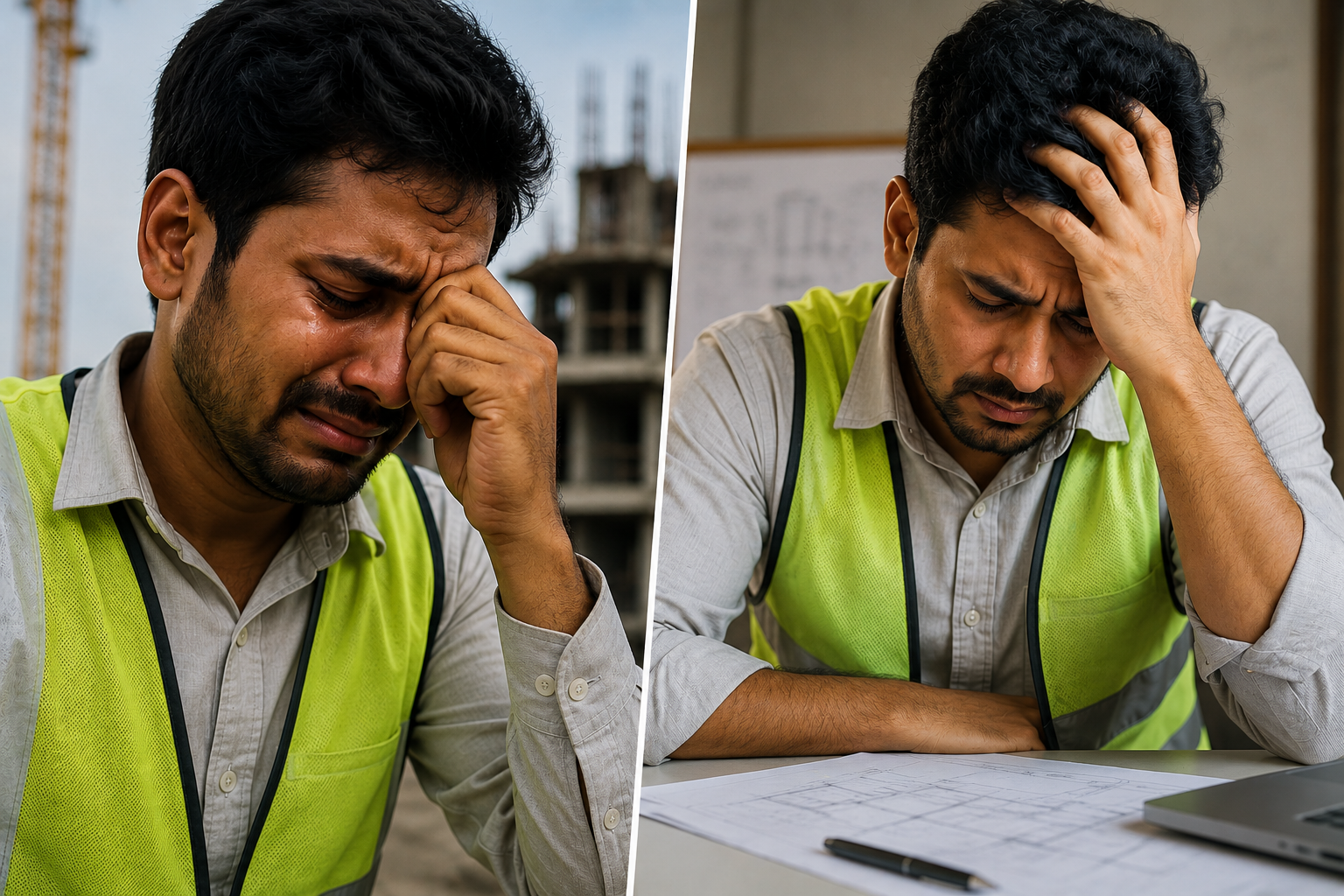
Choosing the right career is one of the biggest decisions in life. Many students pick engineering hoping for a stable future, good salary, and long-term career growth. However, reality can sometimes be very different.
A recent online post by a 33-year-old civil engineer has sparked a major discussion after he admitted that years of work pressure and burnout have made him regret choosing the profession. His story has resonated with thousands of professionals who say they face similar challenges.
Long Working Hours And Constant Pressure
According to the engineer, his career started with hope and excitement. Like many fresh graduates, he expected that experience would eventually lead to better opportunities and financial stability.
I REGRET CHOOSING CIVIL ENGINEERING
by
u/Low_Description_7359 in
IndianWorkplace
Instead, he says he spent years dealing with long working hours, project deadlines, workplace stress, and limited personal time. Even after moving into a specialised role, he felt that the workload remained demanding.
The engineer believes the continuous pressure affected both his career satisfaction and personal life.
Low Salary Despite Experience
One of the biggest concerns raised in the discussion was salary.
The engineer explained that despite years of experience and working on international projects, he felt his earnings were not enough compared to the amount of responsibility he handled every day.
Many professionals who commented online agreed that civil engineering often requires significant effort before financial rewards become noticeable.
Others argued that salary growth depends on skills, location, and the organisation rather than the profession itself.
Feeling Trapped In The Same Career
The engineer also shared that changing careers now feels difficult.
At the age of 33, he worries that starting from the beginning in another industry may not be easy. This feeling of being “stuck” is common among professionals who spend many years in one field before realising it no longer matches their expectations.
Career experts say these thoughts are becoming increasingly common across different industries.
Burnout Is Becoming A Serious Workplace Problem
Burnout is more than just feeling tired after work.
Experts describe burnout as long-term physical and emotional exhaustion caused by excessive workplace stress. Common symptoms include:
Constant Fatigue
Feeling tired even after taking rest.
Loss Of Motivation
Work no longer feels enjoyable or meaningful.
Reduced Productivity
Concentration becomes difficult, leading to lower performance.
Mental Stress
Anxiety, frustration, and emotional exhaustion become frequent.
Recognising these signs early can help professionals seek support before the situation becomes worse.
Internet Users Shared Different Opinions
The engineer’s story quickly attracted thousands of reactions.
Some users sympathised with his situation and admitted they also regretted their career choices.
Others encouraged him not to lose hope and suggested exploring management roles, higher education, freelancing, consulting, or international opportunities.
A few people even argued that civil engineering continues to offer excellent long-term opportunities for professionals with specialised skills.
The discussion showed that career satisfaction often depends on individual goals rather than a single profession.
Is Civil Engineering Really A Bad Career?
Many experts disagree with the idea that civil engineering itself is the problem.
India continues to invest heavily in roads, bridges, metro projects, airports, smart cities, and housing developments. These projects create demand for experienced civil engineers.
Professionals with expertise in project management, Building Information Modelling (BIM), structural design, sustainability, and international construction standards often receive better career opportunities.
Continuous learning remains one of the biggest factors behind long-term success.
What Young Engineers Can Learn
Students planning to enter engineering can learn several lessons from this discussion.
Choose Based On Interest
Never select a career only because someone else recommends it.
Keep Learning New Skills
Technical knowledge alone is not enough. Software, communication, leadership, and management skills increase career options.
Focus On Work-Life Balance
A successful career should not come at the cost of physical and mental health.
Stay Flexible
Career changes are becoming more common than ever. Learning new skills can open unexpected opportunities.
Career Growth Requires Planning
Experts advise professionals to regularly review their career goals instead of waiting for frustration to build.
Networking, certifications, postgraduate education, overseas opportunities, entrepreneurship, and freelancing can all provide new career directions.
Sometimes a small change in role or company can improve both income and work satisfaction.
Conclusion
The viral story of a civil engineer questioning his career has started an important conversation about burnout, salary expectations, and work-life balance. While every profession has its own challenges, personal growth depends on continuous learning, adaptability, and making informed career decisions.
Instead of seeing one difficult experience as the reality for an entire industry, professionals can use such stories as motivation to evaluate their own goals, improve their skills, and explore better opportunities when needed.
FAQs
Why did the engineer regret choosing civil engineering?
He said years of heavy workload, workplace pressure, limited work-life balance, and lower-than-expected earnings made him question his career choice.
What is workplace burnout?
Burnout is long-term physical and emotional exhaustion caused by continuous workplace stress.
Is civil engineering still a good career?
Yes. Civil engineering continues to offer strong opportunities, especially in infrastructure, construction, project management, BIM, and international projects.
Can professionals change careers after 30?
Yes. Many professionals successfully switch careers by learning new skills, earning certifications, pursuing higher education, or moving into management roles.
How can engineers avoid burnout?
Maintaining work-life balance, upgrading skills, taking regular breaks, seeking career guidance, and changing roles when necessary can help reduce burnout.