
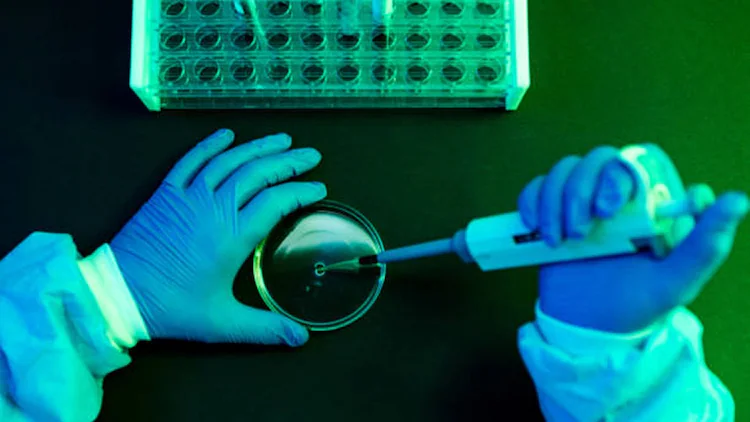
In a major scientific development, researchers have reported that pancreatic cancer tumours were completely removed in mice using a new treatment method. The study has created hope because pancreatic cancer is known as one of the most difficult cancers to treat.
The research shows that a special combination of medicines worked effectively without causing serious side effects in laboratory animals. Scientists believe this discovery could help in designing better treatments for humans in the future.
Why Pancreatic Cancer Is So Hard to Treat
Pancreatic cancer usually gets detected very late. By the time symptoms appear, the disease has often spread. Existing medicines also stop working after some time because cancer cells become resistant.
This resistance is a big reason why survival rates for pancreatic cancer patients are very low compared to other cancers.
What Is the New Triple Combination Therapy
The scientists used three different treatments together instead of relying on one drug. This included:
- One experimental cancer drug
- One medicine already used for lung cancer
- A special compound that breaks down cancer-causing proteins
When used together, these treatments attacked the cancer from multiple angles, making it difficult for the tumour to survive or adapt.
Results Seen in Animal Testing
In several mouse models, the cancer tumours fully disappeared after treatment. More importantly, the mice did not suffer major health problems during the process.
This is important because many cancer treatments damage healthy cells and cause severe side effects like weakness, infection, and organ damage.
Scientists’ View on the Breakthrough
The research team believes this method may help overcome drug resistance, which is one of the biggest challenges in pancreatic cancer treatment.
Experts involved in the study said the findings could guide future clinical trials and open doors for new combination therapies that may improve patient survival.
Global Attention to the Discovery
The achievement has received international attention. Research institutions and health bodies have praised the work, calling it a promising step in cancer research.
While the treatment is still in early stages, experts say it shows how combining existing medicines in new ways can lead to powerful results.
What This Means for Human Patients
It is important to note that results in mice do not always work the same way in humans. More testing and clinical trials are needed before this treatment can be used for patients.
However, the success in animal models gives strong scientific support to move forward with human studies.
Conclusion
This discovery marks a hopeful moment in the fight against pancreatic cancer. By using a smart combination of drugs, scientists have shown that even aggressive cancers can be controlled in laboratory conditions.
If future trials are successful, this approach could change how pancreatic cancer is treated and offer new hope to patients worldwide.
FAQs
What type of cancer was treated in this study?
The study focused on pancreatic ductal adenocarcinoma, the most common form of pancreatic cancer.
Was the treatment tested on humans?
No, the treatment has only been tested on mice so far. Human trials are expected in the future.
Did the treatment cause side effects?
According to the study, the mice did not experience major side effects during treatment.
Why is this study important?
It shows a possible way to overcome drug resistance, which is a major problem in pancreatic cancer treatment.
When could this treatment be available for patients?
It is too early to say. Several years of clinical testing are needed before approval for human use.