
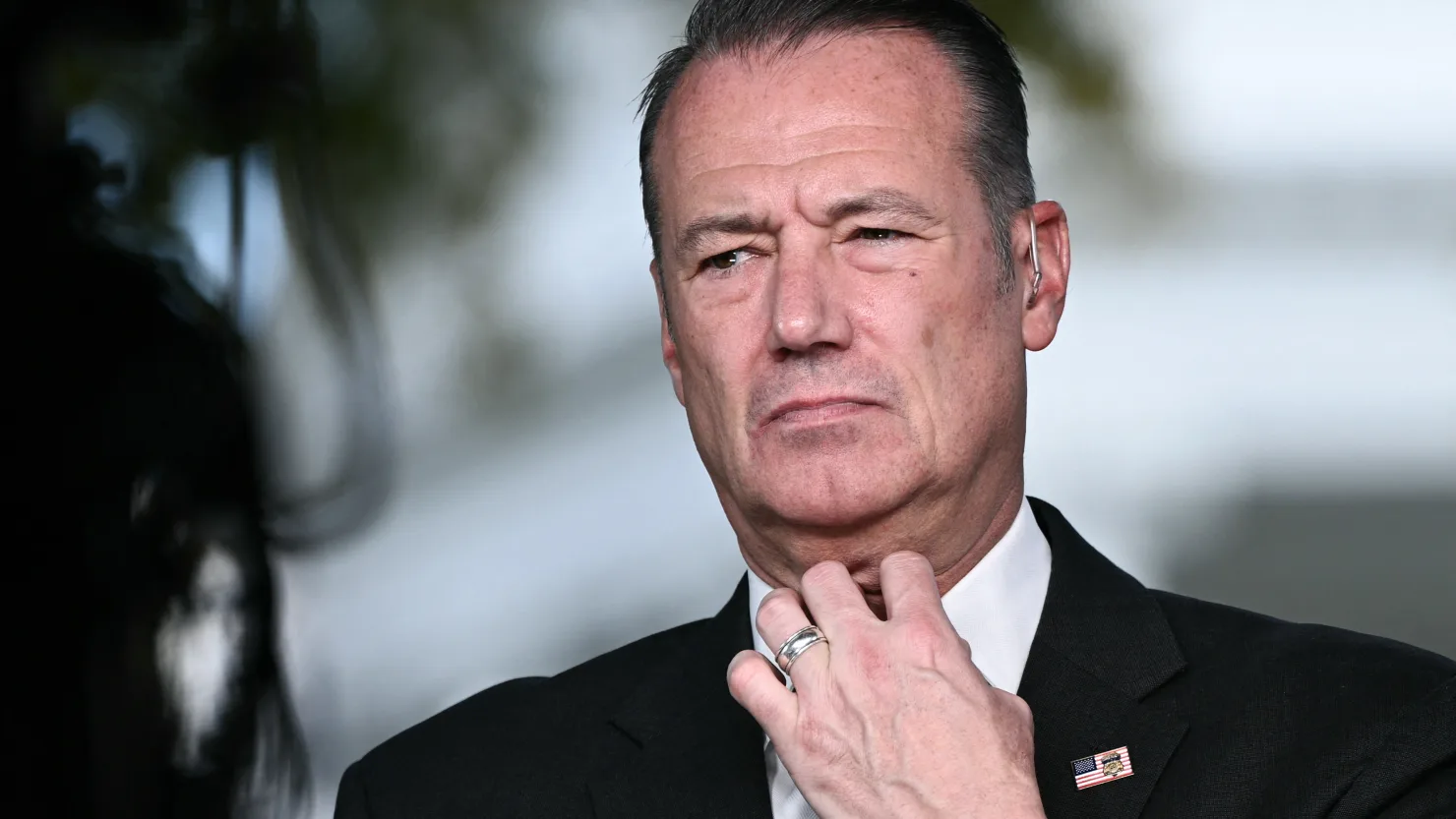
A federal judge in Minnesota has ordered Todd Lyons, the acting head of U.S. Immigration and Customs Enforcement (ICE), to personally appear in court. The order comes after the agency repeatedly ignored court directives concerning immigration enforcement.
This extraordinary step highlights tensions between federal immigration authorities and the judiciary, as well as growing public concern over aggressive enforcement practices.
Why the Judge Took This Step
U.S. District Court Chief Judge Patrick Schiltz said the order was necessary because ICE failed to follow multiple court orders. These included directives to grant bond hearings to detained immigrants.
The judge noted that past warnings and smaller measures were not effective. By asking the ICE chief to appear in person, he intends to make the agency fully accountable for its actions.
Background on ICE Violations
Recent court filings show that ICE actions in Minnesota caused several problems for immigrants, even those who have lawfully lived and worked in the U.S. Many detainees experienced delayed hearings, transfers to other states, or extended detention despite legal protections.
Judge Schiltz criticized the agency for sending thousands of agents to detain people without proper planning, creating hardships and legal conflicts.
Connection to Recent Incidents
The court order is separate from two fatal shootings by federal agents in Minnesota — one involving Alex Pretti, a 37-year-old nurse, and another involving Renee Good, a mother of three. Both were U.S. citizens.
However, these incidents have raised public outrage and increased scrutiny of ICE’s enforcement practices. State officials are calling for less aggressive actions against undocumented residents.
What the Court Expects from ICE
The court wants Todd Lyons to explain why he should not be held in contempt for failing to follow orders. Specifically, the judge is concerned about:
-
Extended detentions of immigrants
-
Ignoring bond hearings
-
Moving detainees across states without proper legal compliance
If the detained individuals are released before the hearing, the judge may cancel Lyons’ appearance.
Why This Matters
This order is significant because it emphasizes that even top federal officials must obey court orders. It also highlights the ongoing tension between state and federal authorities over immigration enforcement.
Legal experts say this could set a precedent, ensuring that agencies like ICE cannot ignore judicial directives without consequences.
Impact on Minnesota and Beyond
Minnesota state officials and communities affected by ICE enforcement may feel greater protection if the court enforces its orders strictly. Nationally, it sends a message that judicial oversight is crucial in immigration matters, especially where the rights of residents and citizens may be affected.
Conclusion
The Minnesota judge’s order for the ICE chief to appear in court is a rare and serious measure. It underlines the importance of agency accountability and protecting legal rights of immigrants. While ICE faces pressure to follow court orders, the case also highlights the broader debate on how immigration enforcement is conducted in the United States.
The upcoming hearing will be closely watched and could influence federal immigration policies going forward.
FAQs
Who is Todd Lyons?
He is the acting director of U.S. Immigration and Customs Enforcement (ICE).
Why was he ordered to appear in court?
The judge wants him to explain why he should not be held in contempt for ignoring multiple court orders.
Does this relate to the recent shootings?
No, the court order is separate, though public concern about ICE’s actions has increased after those incidents.
What could happen if he is found in contempt?
The court could impose legal penalties or take other actions to enforce compliance.
Can the hearing be canceled?
Yes, if the detained immigrant is released before the scheduled court appearance.