
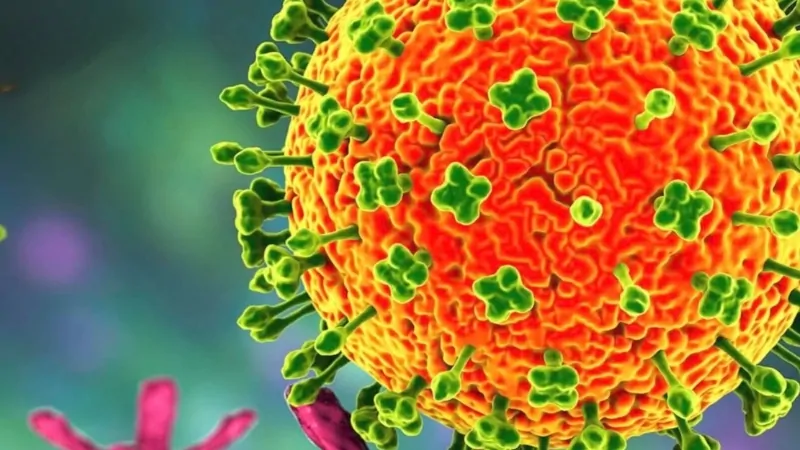
Health authorities across Asia have increased surveillance after India confirmed new Nipah virus infections. The latest cases, reported from West Bengal, have raised serious concern because the virus appears to have spread inside a hospital. Nipah is known as one of the most dangerous viruses due to its high death rate and lack of a confirmed cure.
Table of Contents
ToggleHospital Infections Raise Serious Concerns
Two nurses working at a private hospital near Kolkata tested positive for Nipah virus. Both nurses reportedly treated the same patient who later died with severe respiratory symptoms. One nurse remains in critical condition, while the other is under close medical care.
Officials believe the virus was not detected early, which allowed it to spread to healthcare workers. This has again highlighted the risks doctors and nurses face when dealing with undiagnosed infectious diseases.
India Steps Up Emergency Measures
Following the confirmation of cases, Indian health authorities acted quickly. Contact tracing was started immediately, and several people who had close contact with the patients were placed under quarantine. So far, no additional positive cases have been found, but monitoring continues.
The central government has issued alerts to all states, asking hospitals to be extra careful with patients showing fever, brain-related symptoms, or breathing problems. States have also been advised to improve infection control practices.
Why Nipah Virus Is Often Missed
Doctors warn that Nipah virus symptoms often look like common flu, pneumonia, or Acute Encephalitis Syndrome (AES). This makes early diagnosis difficult. When the virus is missed, hospitals can become the main place of spread.
Experts from Kerala, a state that has faced multiple Nipah outbreaks, say wider testing is needed. According to them, early detection can save lives and protect healthcare workers.
Asian Countries Strengthen Border Checks
Concern is no longer limited to India. Several Asian countries have taken preventive steps to stop cross-border spread.
Thailand has started health screening at major airports for travelers arriving from India. Nepal has increased checks at airports and land borders, especially in regions close to India. Taiwan has moved to classify Nipah virus as a high-risk notifiable disease, showing how seriously the region is taking the threat.
These steps are precautionary, but officials say early action is better than delayed response.
Understanding Nipah Virus And Its Dangers
Nipah virus is spread mainly by fruit bats and can pass to humans through contaminated food, infected animals, or close contact with infected people. Human-to-human spread, especially in hospitals, has been seen in past outbreaks.
There is no approved vaccine or specific treatment for Nipah. Medical care mainly focuses on managing symptoms. Death rates in previous outbreaks have been very high, sometimes affecting more than half of the infected patients.
Public Health Experts Urge Vigilance
Health experts believe that awareness is the strongest weapon against Nipah. Hospitals are being advised to isolate suspected cases early and use protective equipment strictly.
People are also being advised to avoid consuming partially eaten fruits, maintain hygiene, and seek medical care quickly if symptoms appear after travel or exposure.
Conclusion
The recent Nipah virus cases in India have once again reminded Asia of the danger posed by emerging diseases. While the number of confirmed cases remains limited, the hospital-based spread is a warning sign. Strong surveillance, early testing, and regional cooperation will be key to preventing a larger outbreak. Authorities and citizens alike must remain alert to stop this deadly virus from spreading further.
FAQs
What is Nipah virus?
Nipah virus is a deadly infection spread mainly by fruit bats and can cause severe brain and lung disease in humans.
Is there a vaccine for Nipah virus?
No, there is currently no approved vaccine or specific antiviral treatment for Nipah virus.
How does Nipah virus spread?
It spreads through contaminated food, infected animals, or close contact with infected people, especially in hospitals.
Why are healthcare workers at high risk?
If the virus is not diagnosed early, doctors and nurses may be exposed while treating patients without full protection.
Should people panic?
There is no need to panic, but staying informed, following health advisories, and practicing hygiene are very important.