
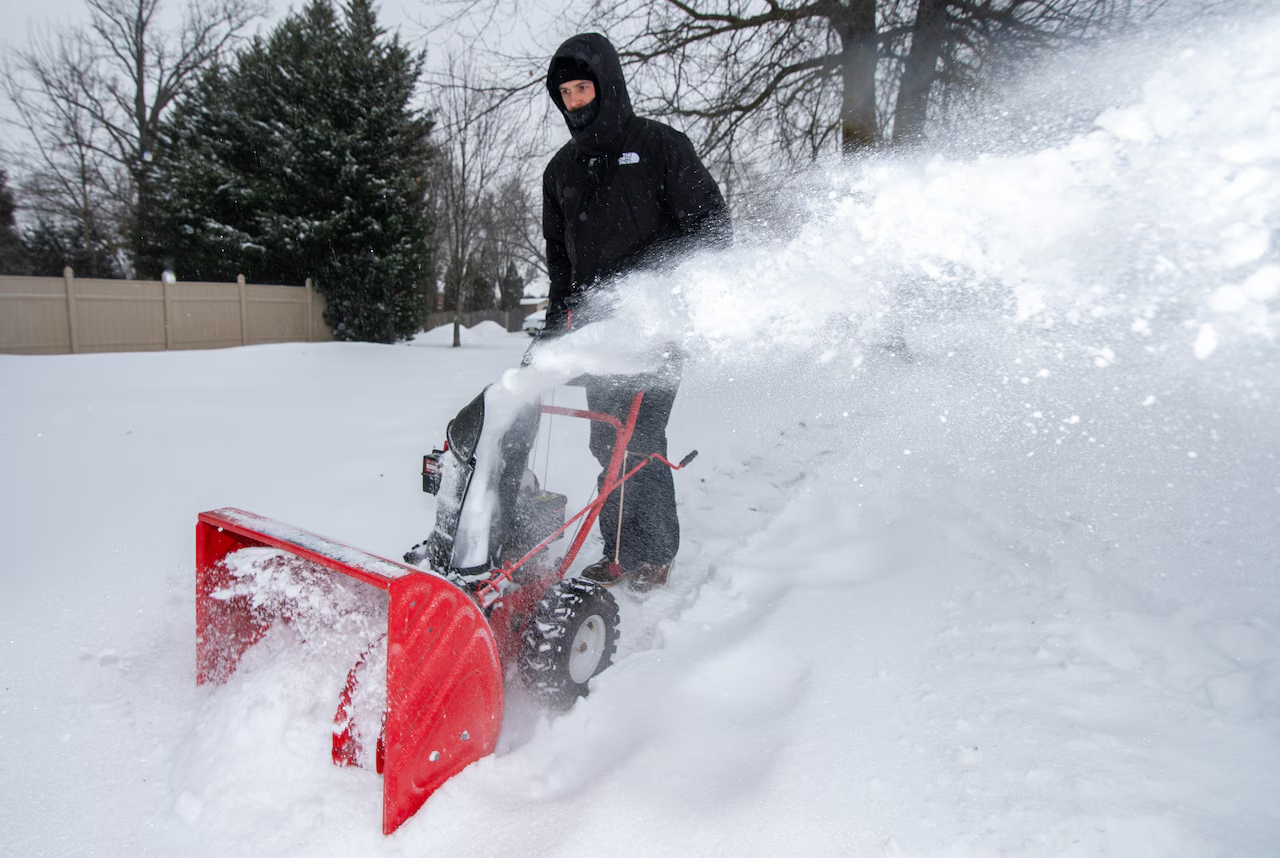
New Jersey faced a powerful winter storm over the weekend, bringing heavy snowfall, icy roads, and major disruptions across the state. Several towns reported snow accumulation between 14 and 17 inches, making this one of the strongest snow events of the season.
Worst-Hit Areas See Record-Like Snow
Northern parts of New Jersey were hit the hardest. Towns in Sussex County reported the highest snowfall, with some locations reaching up to 17 inches. Areas in Morris, Bergen, and Passaic counties also saw very high snow totals, crossing the 15-inch mark in many towns.
Residents woke up to snow-covered streets, blocked driveways, and difficult travel conditions.
Snowfall Spread Across the State
While northern counties faced extreme snowfall, central and southern New Jersey were not spared. Many towns in Middlesex, Monmouth, Burlington, and Ocean counties recorded between 8 and 12 inches of snow. Even coastal areas saw steady accumulation, though totals were slightly lower compared to inland regions.
This wide spread of snowfall shows how strong and well-organized the storm system was.
Travel Disruptions and School Closures
Due to dangerous road conditions, many school districts announced closures on Monday. Some schools have already declared delayed openings for Tuesday as cleanup work continues.
Public transport and road travel were heavily affected. Authorities warned drivers to avoid unnecessary travel, especially during night hours when ice can form quickly.
Black Ice Warning Raises Safety Concerns
Weather officials have warned about black ice forming on roads and bridges. Melted snow is expected to refreeze overnight due to extremely cold temperatures. This invisible ice can be very dangerous, especially for early morning commuters.
Drivers are advised to slow down, keep safe distance, and avoid sudden braking.
Cold Wave to Keep Snow From Melting
The snowfall is not expected to melt soon. Forecasts show very low temperatures for the coming days, with wind chill values dropping below zero at night. Such cold conditions will keep snow and ice intact, increasing the risk of slips, falls, and accidents.
Residents are advised to dress warmly and limit outdoor exposure during night hours.
Emergency Services Remain on Alert
Local authorities and road crews are working continuously to clear snow from main roads and residential areas. Emergency services are on high alert to handle accidents, power issues, and medical emergencies related to the cold weather.
People are encouraged to check on elderly neighbors and ensure pets are kept safe from extreme cold.
Why This Storm Is Important
This storm highlights how quickly winter weather can change daily life. From school schedules to travel plans, heavy snow impacts everyone. It also reminds residents to prepare early with essentials like food, heating, and emergency supplies during winter months.
Conclusion
The weekend winter storm left a deep mark across New Jersey, with snowfall reaching up to 17 inches in some towns. With freezing temperatures continuing, residents must remain cautious in the days ahead. Authorities are urging people to stay updated on weather alerts and avoid risky travel. Safety should remain the top priority as the state slowly recovers from this intense weather event.
FAQs
Which areas received the highest snowfall in New Jersey?
Northern counties, especially Sussex County, recorded the highest snowfall, with some towns seeing up to 17 inches.
Are schools closed due to the storm?
Yes, many school districts announced closures on Monday, and some have delayed openings planned for Tuesday.
Why is black ice dangerous?
Black ice is hard to see and forms when melted snow refreezes. It can cause vehicles to skid suddenly.
Will the snow melt soon?
No, very cold temperatures are expected to continue, preventing quick melting.
Is travel safe right now?
Travel is risky, especially at night and early morning. Authorities advise avoiding unnecessary trips.
What precautions should residents take?
Drive carefully, wear warm clothing, stay updated on weather alerts, and check on vulnerable family members and neighbors.