
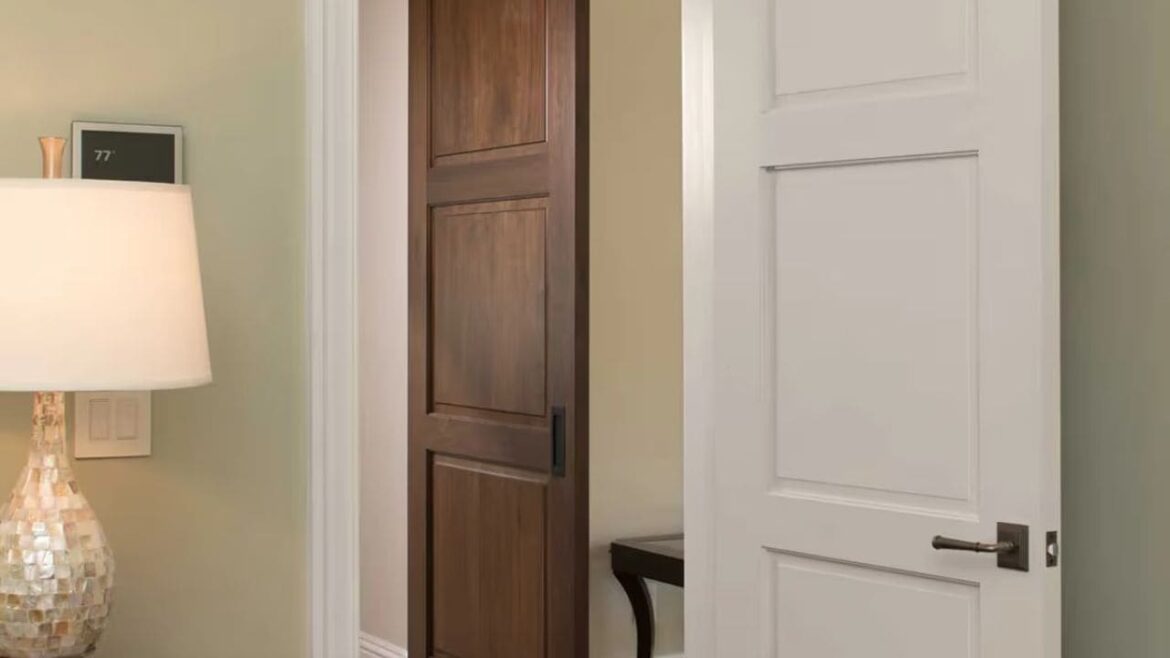
Wooden doors are part of our everyday life, yet most people never think about why they look the way they do. One common feature, the raised panel, is often mistaken for decoration. But in reality, it is a smart engineering solution created centuries ago to deal with the natural behavior of wood.
This article explains the science behind raised panels, why they are still used today, and what makes them both functional and beautiful.
The Hidden Science in Everyday Design
Design is everywhere, even in objects we take for granted. From spoons to doors, the shape and structure of common items are often based on physics, material behavior, and practical necessity rather than just looks.
A wooden door may seem simple, but it hides careful engineering. While many assume raised panels are purely aesthetic, they were originally made to solve a very real problem: wood warping.
Why Wood Warps and How It Affects Doors
Wood is not a fixed material; it reacts to changes in temperature and humidity. When moisture increases, wood expands. When it decreases, wood contracts.
If a door were made from a single solid slab, this movement could cause bending, cracking, or warping over time. A warped door can misalign, become difficult to close, and even suffer permanent damage.
How Raised Panels Solve the Problem
Woodworkers long ago found a clever solution: the paneled door. Instead of using one solid piece of wood, the door is made of:
- A stable outer frame
- A central panel slightly smaller than the frame
This setup allows the central panel to expand or contract freely within the frame without affecting the door’s overall shape. The frame remains rigid, holding the door in the correct alignment.
The Evolution of Raised Panels
Early paneled doors had flat panels, which worked but were fragile. Craftsmen eventually made the panels thicker for durability and shaved the edges so they could move freely within the frame.
This led to beveled or slanted edges, which over time became the raised panels we see today. While functional, this design also created a visually appealing effect. A practical engineering solution became a classic design feature.
Why This Design Still Works Today
Raised panels continue to be used because they handle wood movement better than solid slabs. They prevent warping and cracking while keeping doors functional for decades.
Many antique wooden doors, cabinets, and chests have survived for hundreds of years, proving the effectiveness of this simple yet ingenious design.
Even in modern homes, raised panels remain popular. They combine durability with style, showing how practical engineering can also be beautiful.
The Broader Lesson
The story of raised panels teaches us that many design choices around us have hidden science behind them. Something that looks decorative or traditional may actually have a practical reason rooted in physics or material science.
It reminds us to appreciate everyday objects not just for their appearance but for the thought and knowledge embedded in them.
Conclusion
Raised panels on wooden doors are more than just decoration. They are a centuries-old engineering solution that prevents wood from warping and cracking. By allowing natural movement of wood while keeping the frame stable, raised panels ensure doors remain functional and durable over time. What started as a practical necessity gradually became a timeless design feature, combining science and aesthetics perfectly.
FAQs
Why do wooden doors have raised panels?
Raised panels allow the central panel of the door to expand and contract freely with changes in temperature and humidity, preventing warping and damage.
Are raised panels just for decoration?
No, while they look decorative, their main purpose is functional – to maintain door shape and durability over time.
How old is this design?
Paneled doors with raised panels date back hundreds of years and have been used worldwide in traditional carpentry.
Does this design work for modern doors?
Yes, raised panels are still used in contemporary doors because they prevent warping and make the doors more durable.
Can a single slab wooden door work without raised panels?
Single slab doors may work temporarily but are prone to warping, cracking, and misalignment over time due to natural wood movement.